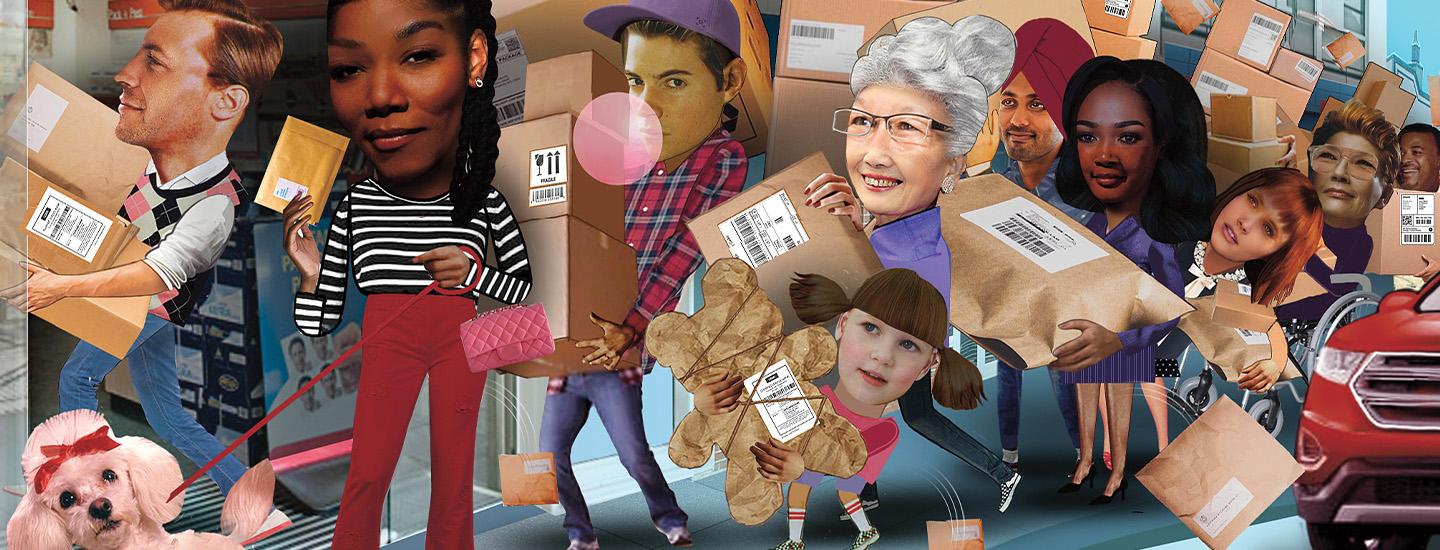

Art by Carolyn Ridsdale

CCSS

R.1, R.2, R.6, R.8, W.1, SL.1

Standards

Are Free Returns Out of Control?

Online shoppers send back tons of unwanted items. What can be done to solve this problem?  

Art by Carolyn Ridsdale

    Imagine you need some warm, fuzzy boots. Not so long ago, you probably would have gone to the mall. You would have tried on several styles. An hour later, you would have left with the perfect pair—one that looked and felt great.

    But that’s not the way many of us shop these days. 

    More and more people are buying things online. In fact, online shoppers in the U.S. spent more than $1 trillion in 2024.

    So now you might order boots on your phone. But when they show up, they aren’t quite right. The color looks different. The sides pinch your toes. 

    Luckily, returning these unwanted boots is free. Or is it?

    Free returns come at a cost to our planet. Is it time to end these pricey policies?

    Imagine you need some boots. Not long ago, you probably would have gone to the mall. You would have tried on boots. You would have left with a pair you loved.

    But that’s not the way many of us shop now. More and more people are buying things online. Online shoppers in the U.S. spent more than $1 trillion in 2024.

    So now you might order boots on your phone. But when they show up, they aren’t quite right. The color looks different. The sides pinch your toes.

    At least returning them is free. Or is it? Free returns come at a cost to our planet Is it time to end these policies?

    Imagine you’re looking for some warm, fuzzy boots. Not so long ago, you probably would have gone to the mall, tried on several styles, and left an hour later with the perfect pair—one that looked and felt terrific.

    But that’s not the way many of us shop nowadays.

    More and more people are making purchases online—in fact, online shoppers in the United States spent more than $1 trillion in 2024.

    So now you might order boots on your phone—but when they arrive, they aren’t quite right. The color looks different, and the sides pinch your toes.

Fortunately, returning these unwanted boots is free. Or is it?

    Free returns come at a cost to our planet.Is it time to end these pricey policies?

Not Really Free

    Many people say it makes sense to pay for returns. They believe free returns make us wasteful. Shoppers order tons of items just to try them on. Since returns are free, they aren’t careful about what they buy. Research shows that shoppers return online purchases up to eight times more than in-store ones.

    Why does it matter? Let’s go back to those fuzzy boots you returned. Here’s what will likely happen. If they look new, they might get sent to a warehouse or discount store. But they might also get thrown away. In the U.S., more than 8 billion pounds of returns end up in landfills each year.

    That’s just part of the problem, though. Shipping items back and forth is bad for the planet. It uses more fuel for trucks, planes, and boats. It also sometimes uses more packaging. All of this adds to trash and pollution. It can also speed up climate change.  

    Many people say we should pay for returns. They say free returns make us wasteful. Shoppers order tons of items just to try them on. Since returns are free, they aren’t careful about what they buy. Shoppers return online purchases up to eight times more than in-store ones.

    Why does it matter? Think of those boots you returned. If they look new, they might get sent to a discount store. But they might also get thrown away. In the U.S., more than
8 billion pounds of returns end up in landfills each year.

    And that’s not all. Shipping items back and forth is bad for the planet. It uses more fuel for trucks, planes, and boats. It also sometimes uses more packaging. All of this adds to trash and pollution. It can also speed up climate change.

    Many people support the idea of paying for returns. They believe free returns encourage people to be wasteful. Shoppers order tons of items just to try them on. Since returns are free, they aren’t careful about what they buy. Research shows that shoppers return online purchases up to eight times more than in-store ones.

    Why does it matter? Let’s go back to those fuzzy boots you returned. If they look new, they might get sent to a warehouse or discount store— but they might also simply get discarded. In the U.S., more than 8 billion pounds of returns end up in landfills each year.

    That’s only part of the problem, however. Shipping items back and forth is harmful to the planet. It uses more fuel for trucks, planes, and boats, and it also sometimes uses more packaging. All of this contributes to trash and pollution and can speed up climate change. 

A Better Way?

    Not everyone wants to get rid of free returns. After all, they keep shoppers happy. Is it really fair to make people pay for returns if they can’t try on items first? 

    Plus, only some people abuse free returns. Ending such policies punishes everyone.  

    So maybe it’s time to look for other ways to solve the problem. Stores could reward people with coupons for keeping what they buy. They could also offer better tools for choosing the right size the first time. These ideas could cut down on returns in the first place.

    Or what if stores used returns as a way to help people? Some shops are already trying this: They give shoppers their money back if they donate unwanted items. 

    That sounds like a win for everyone.

    Not everyone wants to get rid of free returns. After all, they keep shoppers happy. Is it fair to make people pay for returns if they can’t try on items first?

    Plus, only some people abuse free returns. Should everyone be  punished?

    There might be other ways to solve the problem. Stores could reward people with coupons for keeping what they buy. They could also offer better tools for choosing the right size the first time. These ideas could cut down on returns.

    Or stores could use returns as a way to help people. Some shops already do this: They give shoppers their money back if they donate unwanted items.

    That sounds like a win for everyone. 

    Not everyone objects to free returns—after all, they keep shoppers happy. Is it really reasonable to make customers pay for returns if they can’t try on items before buying?

    Plus, only some people abuse free returns. Ending such policies punishes everyone.

    So maybe it’s time to come up with different solutions to the problem. By rewarding people with coupons for keeping what they buy, and by offering better tools for choosing the right size the first time, stores could cut down on returns in the first place.

    Or what if stores used returns as a way to help people? Some shops are already trying this: They give shoppers their money back if they donate unwanted items.

    That sounds like a win for everyone. 

ACTIVITY: 
Are Free Returns Out of Control?

What to do: Use evidence from the article to support each side of this debate. Write the information on a separate sheet of paper.

What to do: Use evidence from the article to support each side of this debate. Write the information on a separate sheet of paper.

What to do: Use evidence from the article to support each side of this debate. Write the information on a separate sheet of paper.

Yes
Free returns are helpful.

1.

2.

3.

Yes
Free returns are helpful.

1.

2.

3.

Yes
Free returns are helpful.

1.

2.

3.

No
Free returns are wasteful.

1.

2.

3.

No
Free returns are wasteful.

1.

2.

3.

No
Free returns are wasteful.

1.

2.

3.

What does your class think?

Are Free Returns Out of Control?

Please enter a valid number of votes for one class to proceed.

Are Free Returns Out of Control?

Please select an answer to vote.

Are Free Returns Out of Control?

0%
0votes
{{result.answer}}
Total Votes: 0
Thank you for voting!
Sorry, an error occurred and your vote could not be processed. Please try again later.
videos (1)
Skills Sheets (3)
Skills Sheets (3)
Skills Sheets (3)
Lesson Plan (1)
Leveled Articles (2)
Text-to-Speech